
Exploring Loop Road in the Florida Everglades Big Cypress Preserve: Complete Scenic Drive & Overlanding Guide
Updated: Aug 28
Loop Road is a 24-mile scenic drive through Big Cypress National Preserve in South Florida. This guide covers the route, road conditions, wildlife, insights about the preserve, camping, what to bring and what we experienced exploring Loop Road.
Updated August 2026
Loop Road at a Glance
Location | Big Cypress National Preserve, Florida |
Length | 24 miles (allow 1-2 hours) |
Surface | Paved + unpaved |
Vehicle | Most vehicles in suitable conditions |
Best season | November–March |
Wildlife | Alligators, birds, fish |
Camping | Midway Campground (we stayed here) Monument Campground Mitchell Landing Campground (rustic campsite) + other nearby options |
What Is Loop Road?
The Florida Everglades is one of the most iconic and unique ecosystems in the world, and within this vast wetland lies the Big Cypress National Preserve, a true hidden gem in the heart of the Everglades.
Loop Road is an easy and scenic 24 miles long circular route (hence the name "Loop") that takes visitors on a winding journey through a diverse landscape of cypress swamps, pine forests, and sawgrass prairies. It offers stunning views of the Everglades ecosystem, where alligators and other wildlife sightings are frequent, and the area remains largely untouched by modern development.
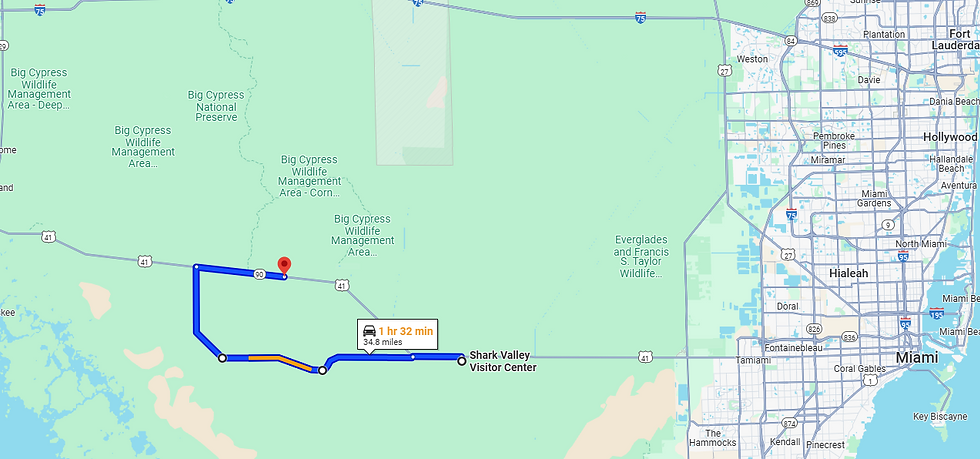
Loop Road Map & Route
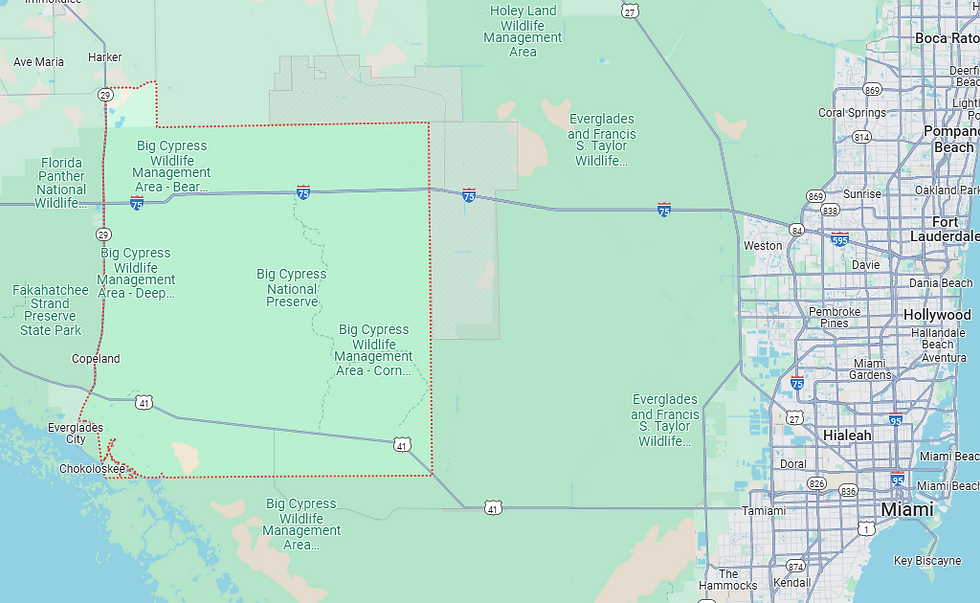
Loop Road (CR 94) forms a 24-mile loop directly off Highway 41 (Tamiami Trail), which runs east-west between Miami and Naples. You can access it from either direction:
Westbound from Miami / East Coast: Take Highway 41 West past Forty Mile Bend. Look for the entrance to Loop Road on your left.
Eastbound from Naples / West Coast: Take Highway 41 East past Ochopee. The entrance to Loop Road will be on your right at Monroe Station.
Note: Loop Road is a 24-mile, mostly unpaved gravel road. It loops south through the Big Cypress National Preserve and brings you back out onto Highway 41.
Road Conditions:
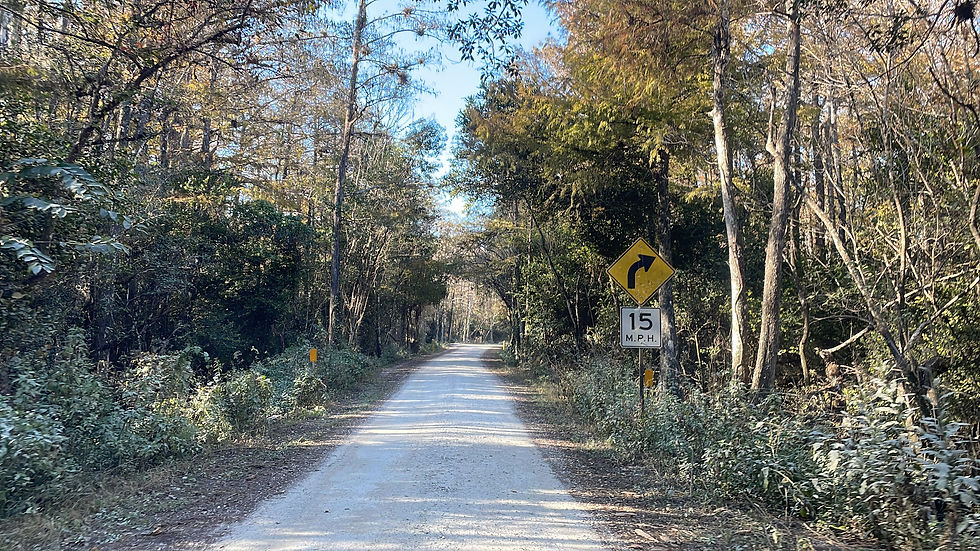
From east to west the first section of Loop Road is paved, making it accessible to nearly any vehicle. After the first few miles, it transitions into a graded dirt road, which is still relatively easy to drive on for most vehicles. However, drivers should remain cautious of potholes, especially in the western section of the road, which can be rougher. We recommend a high-clearance vehicle for the best experience, though standard cars can navigate the road if driven carefully.
Seasonal Considerations:
While Loop Road is accessible year-round, it can become flooded during the rainy season (typically summer through fall), making it impassable in certain areas. We visited in December, and had no issues with flooding, enjoying clear roads and pleasant temperatures.
Our adventure
Our adventure starts at the Miccosukee Indian Village which is on highway 41 traveling west from Miami just before turning off on to Loop road. This amazing place offers visitors an authentic window into the rich history, culture, and traditions of the Miccosukee Tribe. Operated directly by the tribe, the village features a museum displaying historical artifacts, archival photographs, and traditional patchwork craft, as well as live demonstrations of woodcarving and basket weaving. Guests can watch educational alligator handling presentations that highlight centuries-old tribal techniques, or take thrilling airboat tours out into the surrounding "River of Grass" to visit historical family hammock camps.

Next we stopped at the Pinecrest service station which is a well known landmark in the area. Pinecrest has become a ghost town where the rusting shell of an abandoned gas station stands as a eerie monument to Everglades history. Established in the 1920s during the building of the original Tamiami Trail, Pinecrest was once a rough-and-tumble boomtown populated by loggers, moonshiners, and poachers seeking a life beyond the reach of law enforcement. Though the town eventually collapsed under the weight of the Great Depression and destructive hurricanes, the old service station, complete with sun-bleached structures and retro gas pumps swallowed by swamp vegetation, remains one of the most popular, photogenic stops for curious travelers taking the drive.
(Note:The service station sits on private property and within protected preserve land, so please take photos from the road and refrain from trespassing.)

Wildlife Encounters: Alligators, Birds, and More
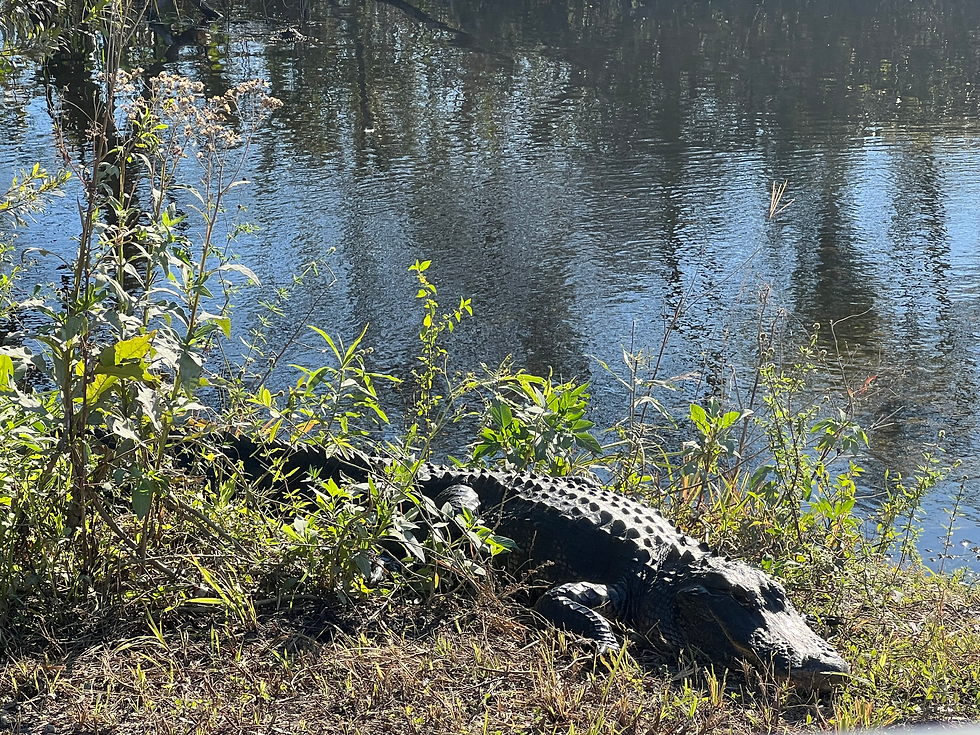
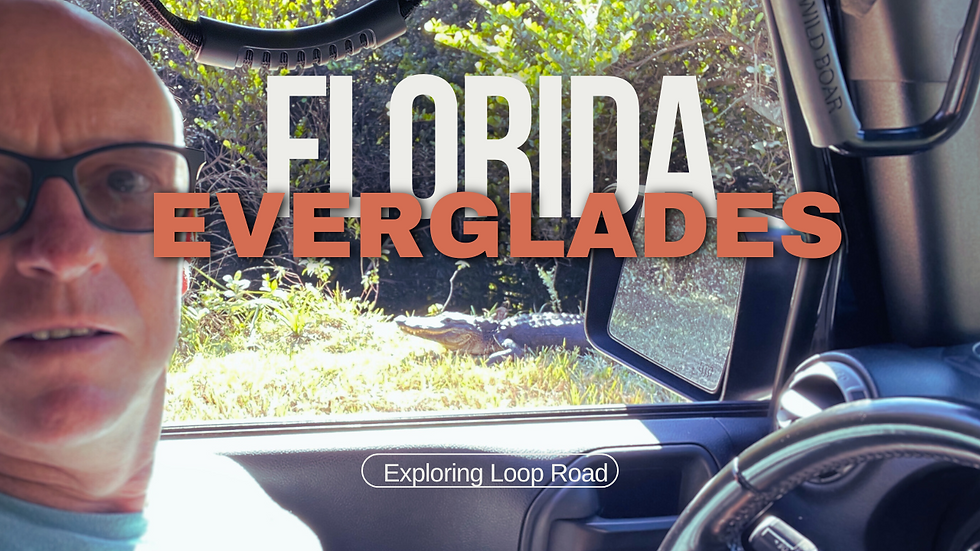
One of the highlights of traveling along the Loop Road is the wildlife. The Everglades is home to an impressive variety of species, and the Big Cypress Preserve offers excellent opportunities to spot them in their natural habitat. During our trip, we were treated to numerous sightings of alligators—these ancient reptiles are a staple of the Everglades and often sunbathe along the banks of the numerous waterways and ponds (and in some cases the road).
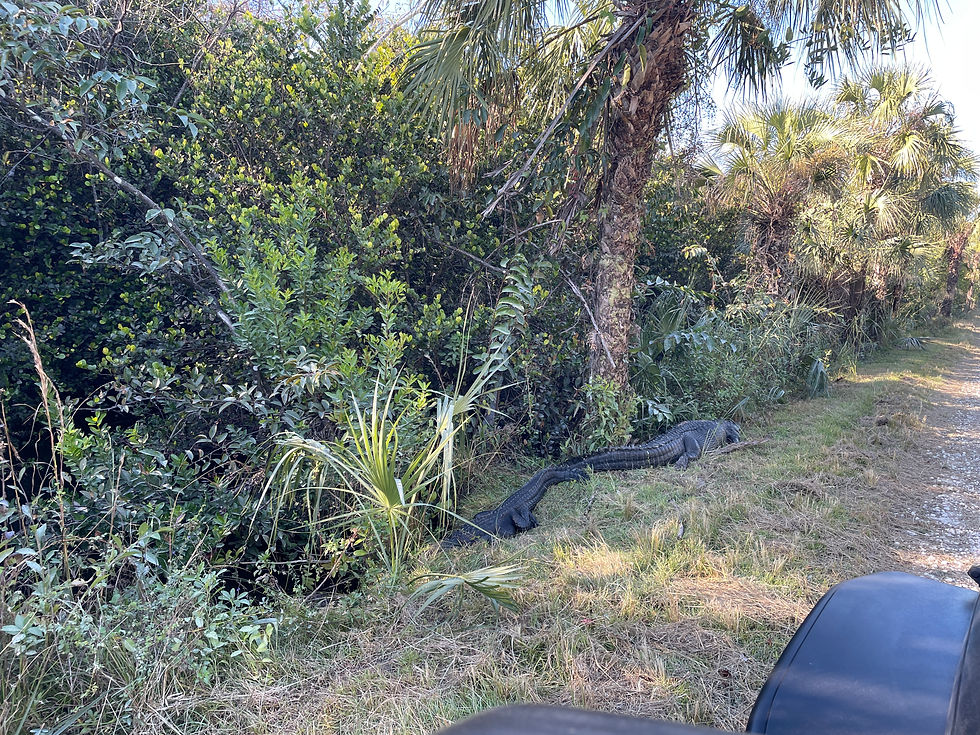
Fun Fact: The American Alligator was once considered an endangered species but was successfully brought back from the brink of extinction through strict conservation efforts. Today, alligators thrive in the waters of Big Cypress and the Everglades.
Aside from alligators, the preserve is home to a wide array of other wildlife, including panthers, black bears, deer, and a variety of bird species such as herons, egrets, roseate spoonbills, and hawks. The area is a birdwatching paradise, especially for those interested in spotting migratory birds and nesting species that thrive in the wetland ecosystem.
We discovered a great spot to stop for a quick lunch before heading to our campground. There a re a couple of rustic campsites along the way which we are planning to visit in future. We had a reservation at the Midway campground for this trip which was at the end of the Loop road back on highway 41.
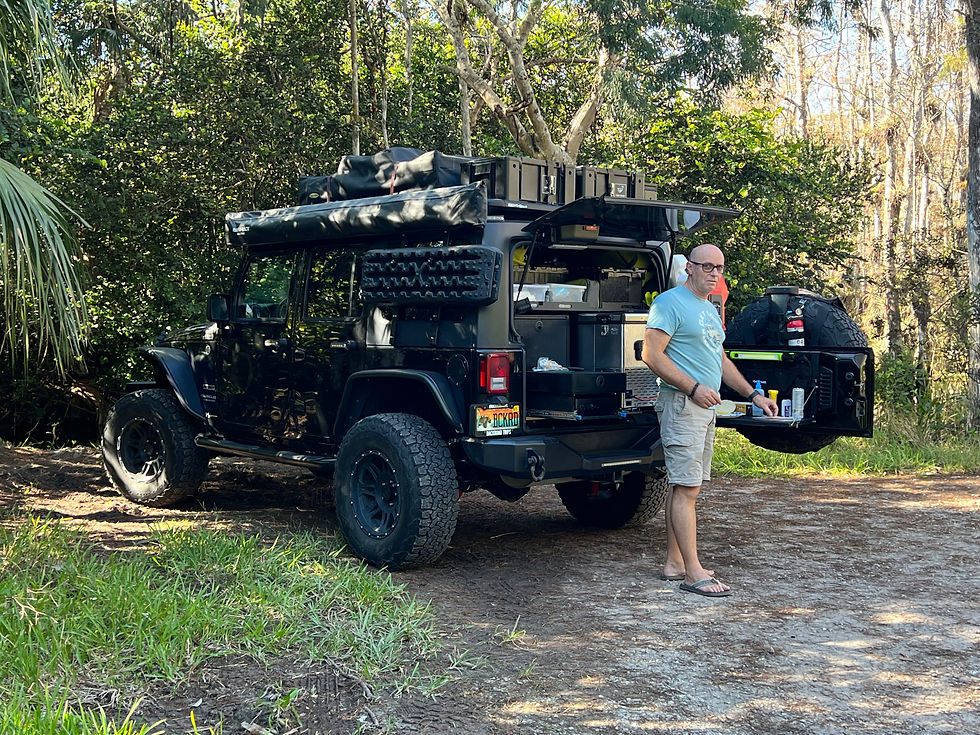
Camping at Midway Campground
Midway Campground is located just off the Tamiami Trail (U.S. Route 41), about halfway through the Big Cypress Preserve. This campground is a fantastic spot to set up camp and enjoy the natural beauty of the Everglades at night.

Campground Amenities: Midway Campground has several sites equipped for both tent camping and RVs. It features basic amenities like picnic tables, grills, and restrooms.
Proximity to Attractions: The campground is conveniently located for easy access to the preserve's attractions, including the Loop Road and nearby gator-watching areas. It’s a great home base for exploring the area during the day and enjoying a peaceful night under the stars.
Tips for Visiting Big Cypress National Preserve
Permits: Camping and some activities in Big Cypress require a permit. You can obtain permits online or at local ranger stations. Be sure to check if a permit is needed for day-use areas or specific wildlife viewing spots.
Safety: Always exercise caution when interacting with wildlife, especially alligators. Keep a safe distance and never approach or feed them. Alligators are wild animals and should be respected from afar.
What to Bring: For camping, bring a tent, sleeping bag, water, food, and insect repellent. The Everglades are known for being humid and mosquito-prone, so be prepared with repellent and long sleeves, especially in the summer months.
Best Time to Visit: The cooler months from November to March offer the best weather for camping and wildlife viewing. The summer months are often hot, humid, and prone to afternoon thunderstorms.
Big Cypress National Preserve: A Brief History
Established in 1974, the Big Cypress National Preserve was created to protect one of the most biologically rich and ecologically diverse areas in Florida. It spans over 729,000 acres, making it one of the largest protected areas of wetland in the United States. The preserve is named after the Big Cypress Swamp, a cypress-dominated wetland that is critical to the survival of the Florida panther, an endangered species, as well as other wildlife like alligators, turtles, and a wide variety of bird species.
The preserve is also home to several historic sites, including remnants of early Seminole settlements. The area was originally inhabited by Native American tribes, including the Calusa and Seminole peoples, who utilized the swampy environment for fishing, hunting, and farming. In the 19th century, the Seminole Wars resulted in the forced removal of many Native American groups, though the Seminoles remained in the region, adapting to the challenging swamp environment.
The history of Big Cypress is not just about its indigenous peoples. It has also seen military and settler activity in the 1800s and early 1900s, with the construction of roads and railways cutting through the preserve. Today, the area remains a prime location for wildlife conservation and outdoor recreation.
Conclusion: Why Big Cypress Preserve Should Be on Your Bucket List
The Big Cypress National Preserve is a true treasure in the Florida Everglades, offering a mix of scenic beauty, abundant wildlife, and rich cultural history. Whether you're into overlanding, camping, or simply exploring natural landscapes, this area has something for everyone.
From exploring Loop Road in the Florida Everglades to the chance to see alligators, Florida panthers, and a variety of birds, this preserve is an unforgettable destination for nature lovers. Spending the night at Midway Campground adds to the experience, allowing you to truly immerse yourself in the wonders of the Everglades.
If you're looking for a unique adventure in one of Florida's most beautiful and untamed landscapes, the Big Cypress Preserve should be at the top of your list. It's a true Florida gem that should be explored by anyone seeking peace, adventure, and the thrill of wildlife encounters.
Did you enjoy reading about our Big Cypress adventure?
We would love to hear from you. Contact us or subscribe for more travel tips, overlanding adventures, and hidden gems!
Visit our social media pages below.





Comments